Which Drone Do You Need for Weed Detection?
Not every drone produces usable data for AI detection. Resolution, flight height, GSD, and which models actually work in practice.
The question comes up almost every week: which drone do I need to have my fields scanned for weed detection? The answer is more nuanced than a brand name or a price tag. What matters is whether the images contain the right level of detail so the AI can distinguish every weed seedling from the crop.
GSD: the number that matters most
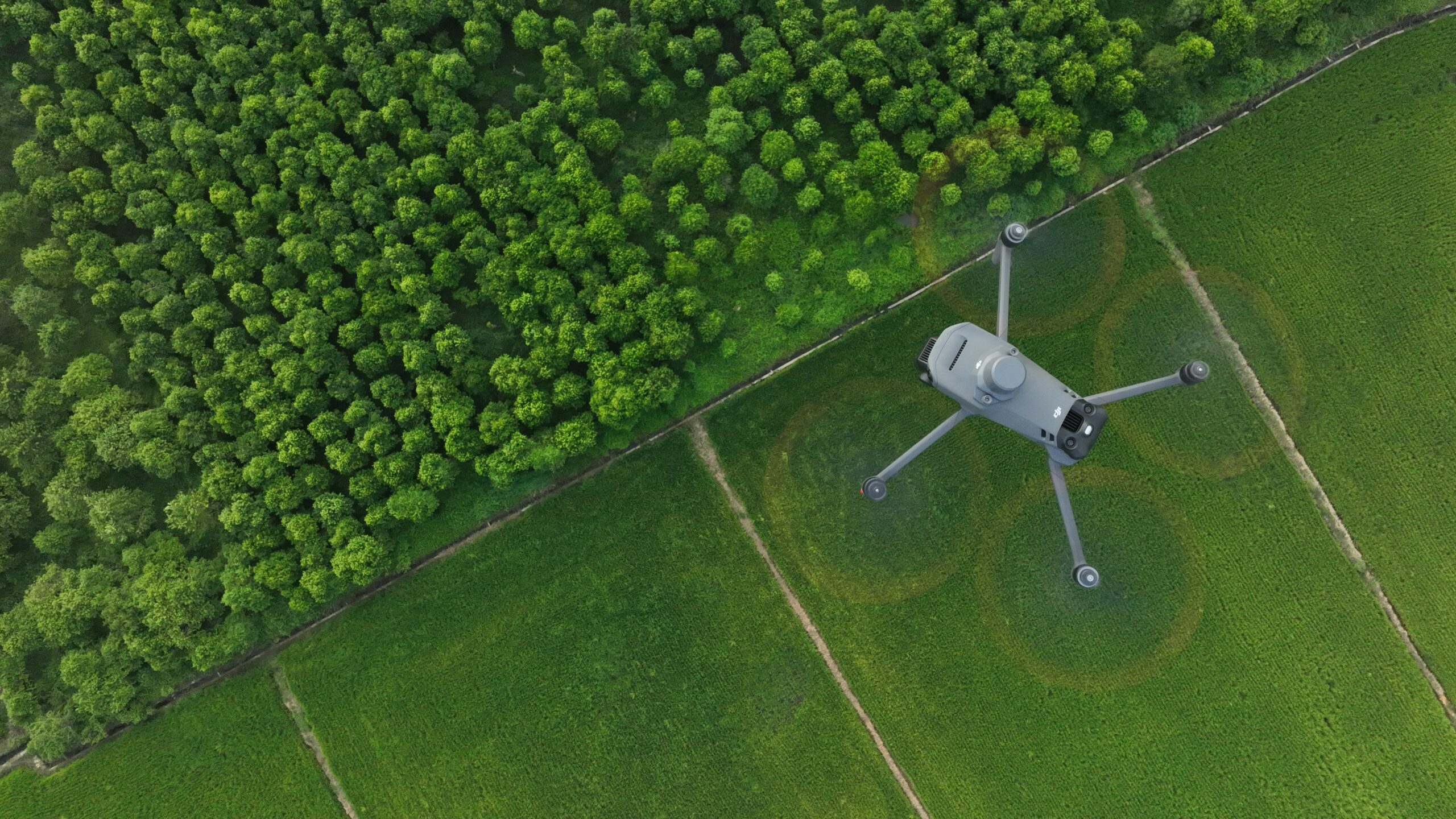
The DJI Mavic 3 Multispectral is today's workhorse for most of our contractors and certified pilots. The device combines a 4/3" sensor with a mechanical shutter, which delivers sharp images even at higher flight speeds — all at a very accessible price. For larger areas, we often see the Matrice RTK deployed, carrying a heavier camera payload.
GSD is a combination of the sensor (resolution and size), the lens, and the flight altitude. A 20 MP camera at 80 metres gives a very different result than that same camera at 30 metres. In practice, we usually fly between 40 and 70 metres, depending on the crop and the position of the sun.
For everyday use in arable farming, the DJI Mavic 3 Multispectral is the most reliable choice: sufficient resolution, a decently sized sensor, and RTK GPS for accurate positioning.
Which models work in practice
The DJI Mavic 3 Enterprise is today's workhorse for most of our contractors and certified pilots. The device combines a 4/3" sensor with a mechanical shutter, which delivers sharp images even at higher flight speeds. For larger areas, we often see the Matrice 350 RTK deployed, with the same or a heavier camera payload.
Consumer drones such as a regular Mavic Air or Mini do reach the required GSD, but they lack RTK positioning. As a result, the geolocation of the images isn't accurate enough to build reliable task maps for spot-spraying. For anyone who wants to scan their own field occasionally, that can work — but keep in mind it won't produce a good spraying result.